
Traceability & sustainability

0 +
Years Experience

We Help Existing Anglers Improve Their Skills

Lorem ipsum dolor sit amet, consectetur adipiscing elit, sed do eiusmod tempor incididunt ut labore et dolore magna aliqua. Ut enim ad minim veniam, quis nostrud exercitation ullamco laboris nisi ut aliquip.

Free Choose Fishing Spot

Lorem ipsum dolor sit amet, consectetur adipiscing elit, sed do eiusmod tempor incididunt labore dolore magna.

Easy Make An Appointment

Lorem ipsum dolor sit amet, consectetur adipiscing elit, sed do eiusmod tempor incididunt labore dolore magna.

Enjoy Your Fishing

Lorem ipsum dolor sit amet, consectetur adipiscing elit, sed do eiusmod tempor incididunt labore dolore magna.

We are following & obtaining below mention certification

We are an approved seafood exporter by the Ministry of Fisheries in Sri Lanka, fully certified and compliant with European regulations. Our company has established its systems in accordance with the food safety management protocols outlined by the BRC Global Standard for Food Safety. Consequently, we are dedicated to upholding food safety regulations and are also committed to the implementation and maintenance of sustainable certifications such as FOS and Dolphin Safe. 

Friend of the sea

Dolphin safe Certificate

Food and Drug Administration (FDA)

BRC certification

Happy Clients
87%
Quality Gear
92%
Bottom Feeder
80%
Spinning Rods
94%
QUALITY

QUALITY

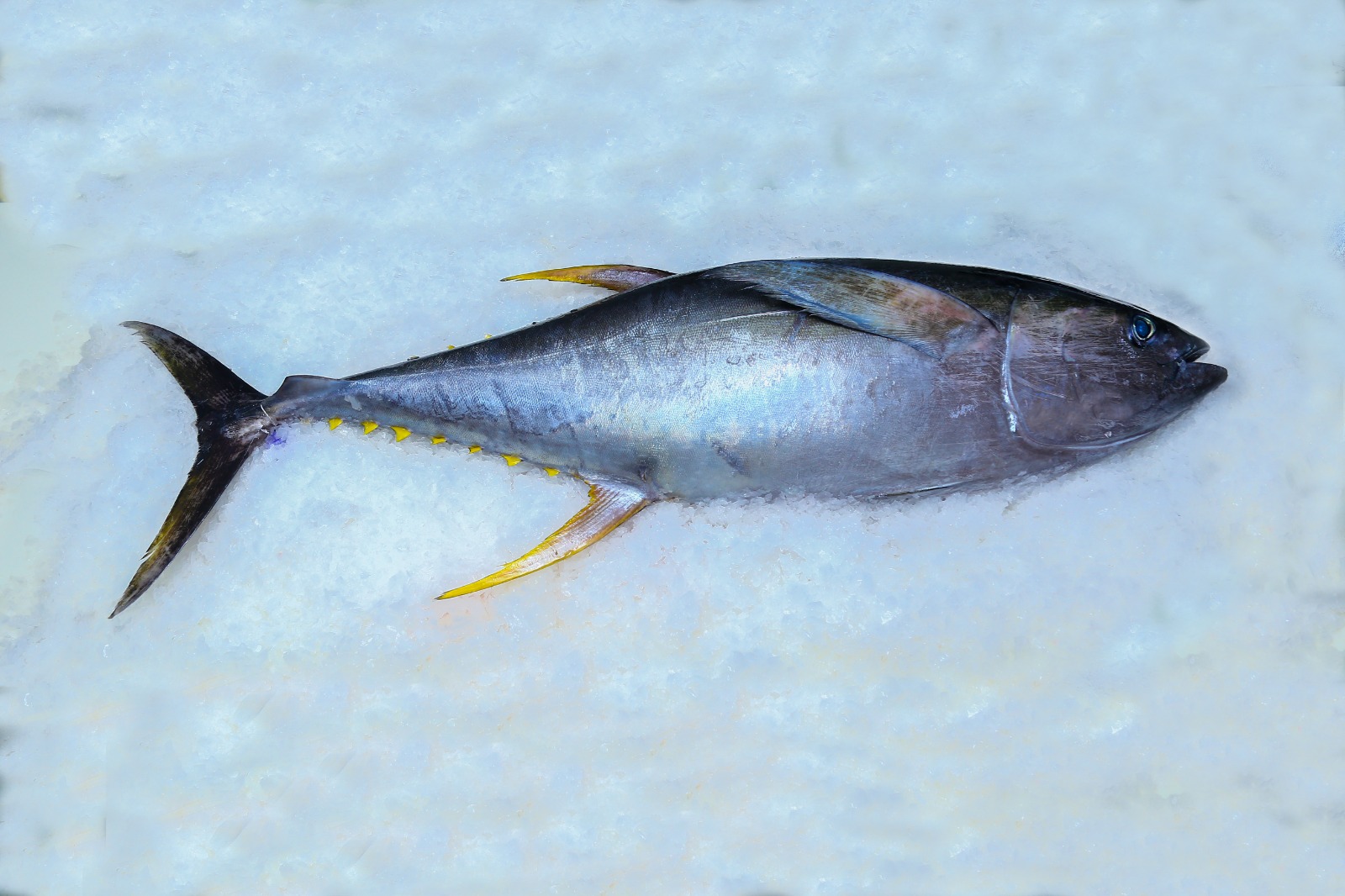
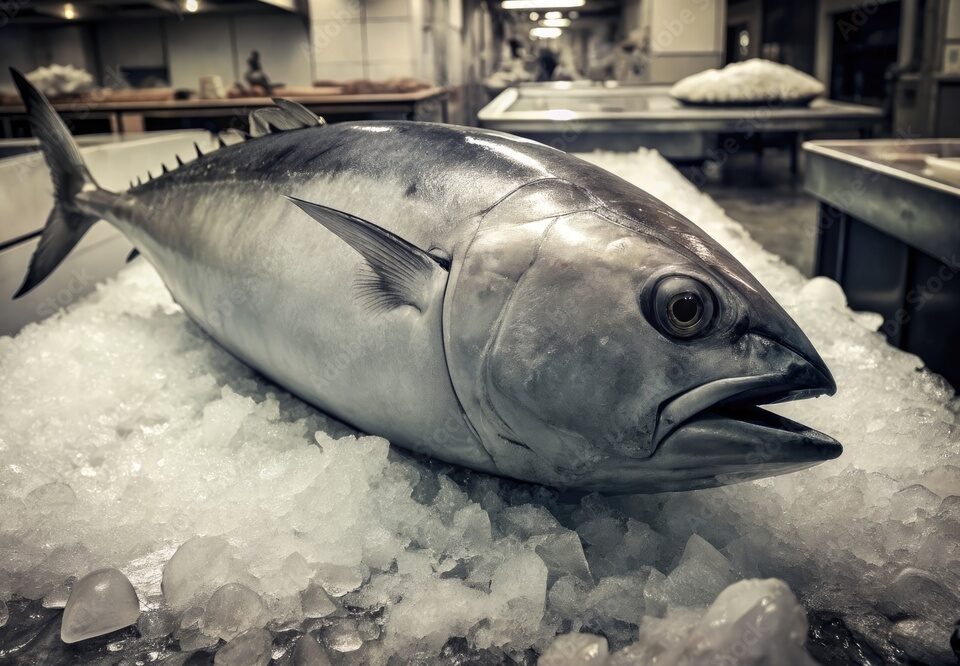
East Bay International, a leading seafood exporter in Sri Lanka, strictly adheres to all legal and essential Food Safety standards, including the HACCP Food Safety Management System and EU and FDA Food Safety Regulations. The company prioritizes customer satisfaction and quality management systems to deliver high-quality products. East Bay International conducts thorough testing of Indian Ocean Yellowfin tuna and swordfish, ensuring their histamine and mercury levels remain below 20 ppm and 1 ppm respectively, and adhering to relevant Good Manufacturing Practices(GMP) and Standard Operating Procedures.(SOP)


TRACEBILITY

TRACEBILITY

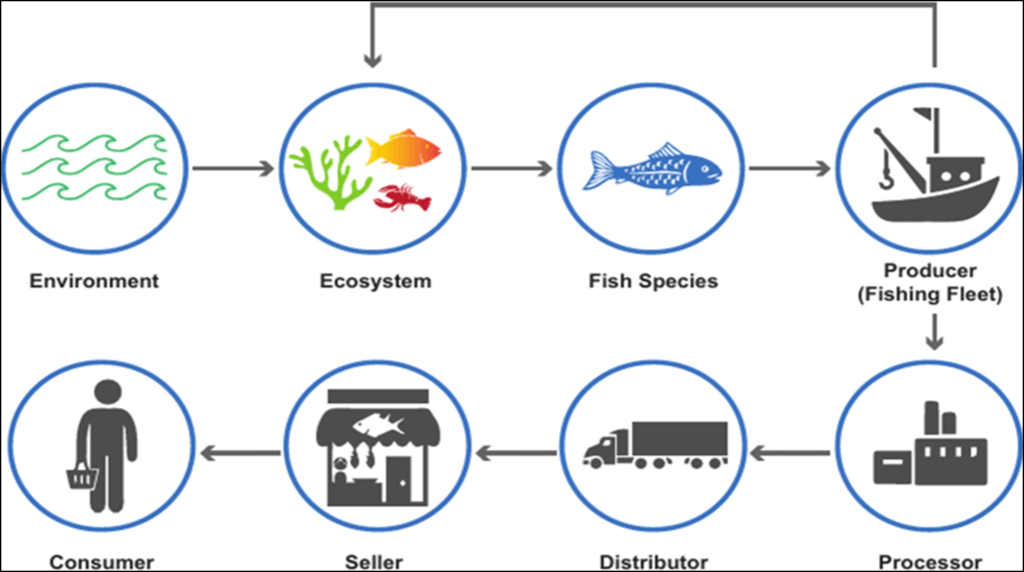
As a major exporter in Sri Lanka, we can trace both ways and ensure every product or batch is monitored from production to processing & distribution. With this knowledge, East Bay international is able to maintain operational efficiency and streamline their supply chain built on strong relationships with our customers based on transparency, reduced lead time and minimal wastage while ensuring the fishery practices are sustainable.


SUSTAINABILITY

SUSTAINABILITY

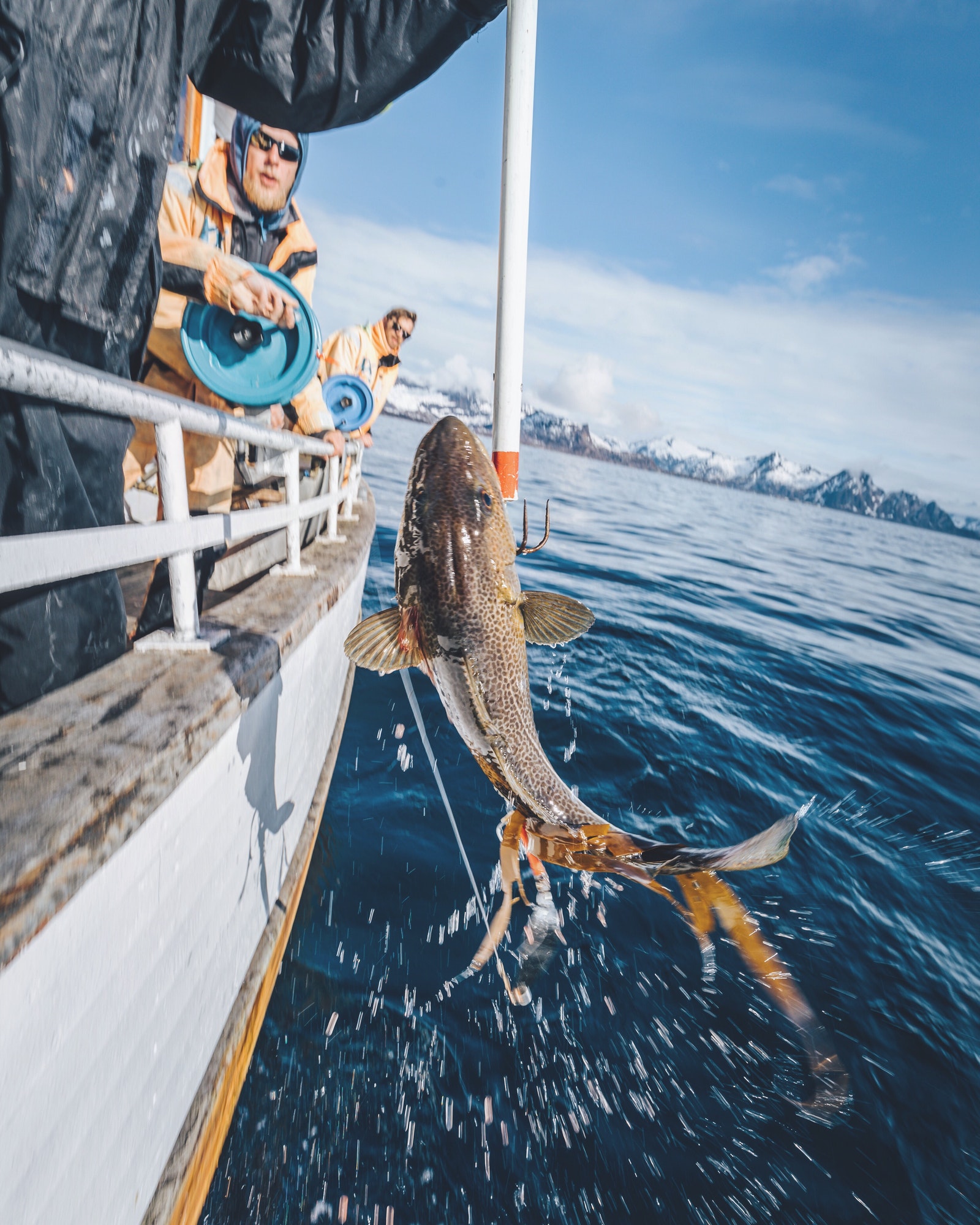
We hold the conviction that our development and achievements are closely linked to our duty and reverence for the ocean, as well as for the generations to come. At East Bay International Pvt Ltd, our dedication to future generations and the promotion of environmentally sustainable practices in relation to the ocean are of paramount importance. We are a reputable Sri Lankan seafood exporter, ensuring our fish is sourced sustainably and in line with Illegal, Unreported, and Unregulated (IUU) fishing regulations. We verify each catch daily through the Vessel Monitoring System.
The organization is committed to protecting marine ecosystems by ensuring no pollutants are discharged into the ocean or environment, operating as a fully green enterprise with no emissions.

Silver

$60/Month

Gold

$87/Month

Platinum

$120/Month

Our Pricing

Lorem ipsum dolor sit amet consec tetuer adipiscing elit. Aenean com modo ligula eget dolor. Aenean massa Cumocis natoque pena tibus et magnis dis parturient montes nascetur ridiculus.

Make An Appointment

General Inquiries

Sales & Procurement

Our Expert Team

Lorem ipsum dolor sit amet, consectetur adipiscing elit, sed do eiusmod tempor incididunt ut labore et dolore magna aliqua.

Certified Quality

As a prominent seafood exporter in Sri Lanka, East Bay International adheres to all legal and essential Food Safety standards. Our operations are strictly compliant with the HACCP Food Safety Management System and all relevant EU and FDA Food Safety Regulations, per the guidelines set forth by the local authority, the Department of Fisheries & Aquatic Resources. This commitment enables us to protect both our customers and workforce, ensuring that the delivery of high-quality products remains our foremost priority, thereby establishing us as one of the most dependable seafood exporters in Sri Lanka.

We are committed to our process undergo according to international Food safety & Quality standards and Sustainable bodies

Sri Lankan Saltwater Fishing Sector Sri Lanka, a tropical island renowned for its breathtaking beaches and natural landscapes, ranks among the top 50 countries in global exports, holding a share of 0.2%. The demand for tuna, prawn, and crab is particularly high, attributed to their distinctive taste and texture, which are influenced by the island’s unique climatic conditions and rich ecosystem. Consequently, many consumers prefer to source seafood from Sri Lanka, valuing its exceptional flavors and textures.

The fisheries sector plays a vital role in Sri Lanka’s social and economic framework, providing employment for approximately 2.4 million people and fostering the nation’s rich culture and traditions. The country boasts extensive fishing resources, including freshwater bodies, lagoons, mangroves, and a thriving aquaculture industry. In 2019, Sri Lanka’s marine fish catch reached 415,490 metric tons, with both coastal and offshore fisheries contributing significantly to this total. The export volume of seafood and fishery products amounted to 28,771 metric tons, generating foreign exchange earnings of US$81.3 million. Sri Lanka’s fishing industry is divided into marine and inland sectors, with marine activities concentrated in the coastal and offshore regions of the Indian Ocean, while inland fishing occurs in freshwater environments. The country is particularly noted for its high-quality tuna exports, with many products targeting premium markets, especially in the sashimi-grade tuna segment. Significant investments have been made in infrastructure, including state-of-the-art fish processing plants and cold storage facilities, to comply with international export standards. According to the EDB’s December 2019 Industry Capability Report, the sector comprises 26,600 fishing boats, including 1,550 day boats and 1,700 large multiday vessels. Additionally, there are 24 fishing harbors across the island designated for fish unloading, along with over 30 EU-approved fish processing plants, indicating a well developed infrastructure. Given these factors, Sri Lanka possesses substantial capabilities and feasibility for advancing its seafood export industry.

Innovative Solutions Tailored

We provide customize seafood solutions that adapt to your unique requirements, using innovation to enhance quality, efficiency, and customer satisfaction. The seafood Export market is always more complicated and highly competitive, So considering modern exports we should use innovation and technology to get more advanced outcomes to compete with others. Such as sustainable practices, advanced logistics, and digital technology to streamline the export process, enhance the freshness of the products & meet global market demand, we are going to start some projects to improve our process. 

1. Blockchain and Transparency

The integration of blockchain technology within seafood supply chains has the potential to improve transparency and traceability significantly. By offering an unalterable record of the product’s path, from the moment of capture to the end consumer, blockchain fosters trust and substantiates sustainability  assertions, which are becoming increasingly important in the seafood sector.

2. AI-Powered Demand Forecasting

Employing artificial intelligence to assess market trends and predict demand facilitates the adjustment of export volumes in accordance with prevailing requirements. This approach can mitigate the risks of overfishing and minimize waste, enabling exporters to concentrate on delivering appropriate quantities to suitable markets. 

3. Eco-Friendly Packaging

Sustainable and biodegradable packaging options can satisfy global environmental standards while attracting environmentally conscious consumers. Innovations in packaging that minimize plastic waste in seafood exports encompass both recyclable and biodegradable alternatives.

4. Direct-to-Consumer Platforms

Digital platforms enabling seafood exporters to sell directly to consumers worldwide can enhance market accessibility, particularly in areas with significant demand for premium seafood. Such platforms may consist of applications or websites that provide real-time information on product availability, pricing, and shipping alternatives.

5.IoT-Enabled Cold Chain Monitoring

IoT sensors installed in shipping containers can monitor temperature, humidity, and oxygen levels in real time to ensure optimal conditions are maintained. This technology minimizes spoilage, guarantees product quality, and offers valuable = insights into any disruptions in the cold chain that may impact freshness.

High-quality seafood sources from Sri Lanka

Our seafood is sourced directly from Sri Lanka’s pristine waters, ensuring freshness, exceptional taste, and unmatched quality in every product we offer Sri Lanka’s marine fish production accounts for 90% of its fish catch, with coastal fisheries contributing 60% and deep-sea fishing remaining. The country’s territorial waters span 22 kilometers and include a UN-designated ‘exclusive economic zone’ (EEZ) covering 517,000 square kilometers.

Year-round fishing and decentralized fish harbor facilities, Comply with international best practices, regulations, and quality standards, Well-developed roads and highways to transport fish from the harbor to processing plants and then to the airport (shorter supply chain) within a short period. final these factors extensively affect to give maximum outcome of fresh seafood production . 

CONSISTENT PRODUCT AVAILABILITY

Consistent product availability is an important fact in the seafood industry. Customers seek to buy products from reliable and consistent suppliers both in and out of season. Therefore, a strong supply chain is prominent. East Bay has the most organized and huge Supply chain, consisting of over 300 Deep- sea fishing vessels and over 200-day fishing boats. This network supports full of fish throughout the year We maintain a reliable supply chain to ensure consistent product availability, providing you with fresh seafood whenever you need it.

Ensuring consistent availability of fish, particularly from regions like Sri Lanka, relies on several key factors:

East Bay, with a strong reputation, frequently obtains its products from various fisheries locations, encompassing both coastal and offshore fishing areas. This variety ensures a consistent supply, even when specific regions encounter seasonal or regulatory limitations on fishing activities. Then seasonal Planning and stock management, sustainable fishing practices are helping to fully utilize or harvest that fisherman gave to us East Bay International prioritize efficient cold chain logistics to ensure product freshness and minimize waste. Key elements such as appropriate storage, swift processing, and regulated transportation are essential for consistently meeting demand, especially for international clients.

Flexible order customization

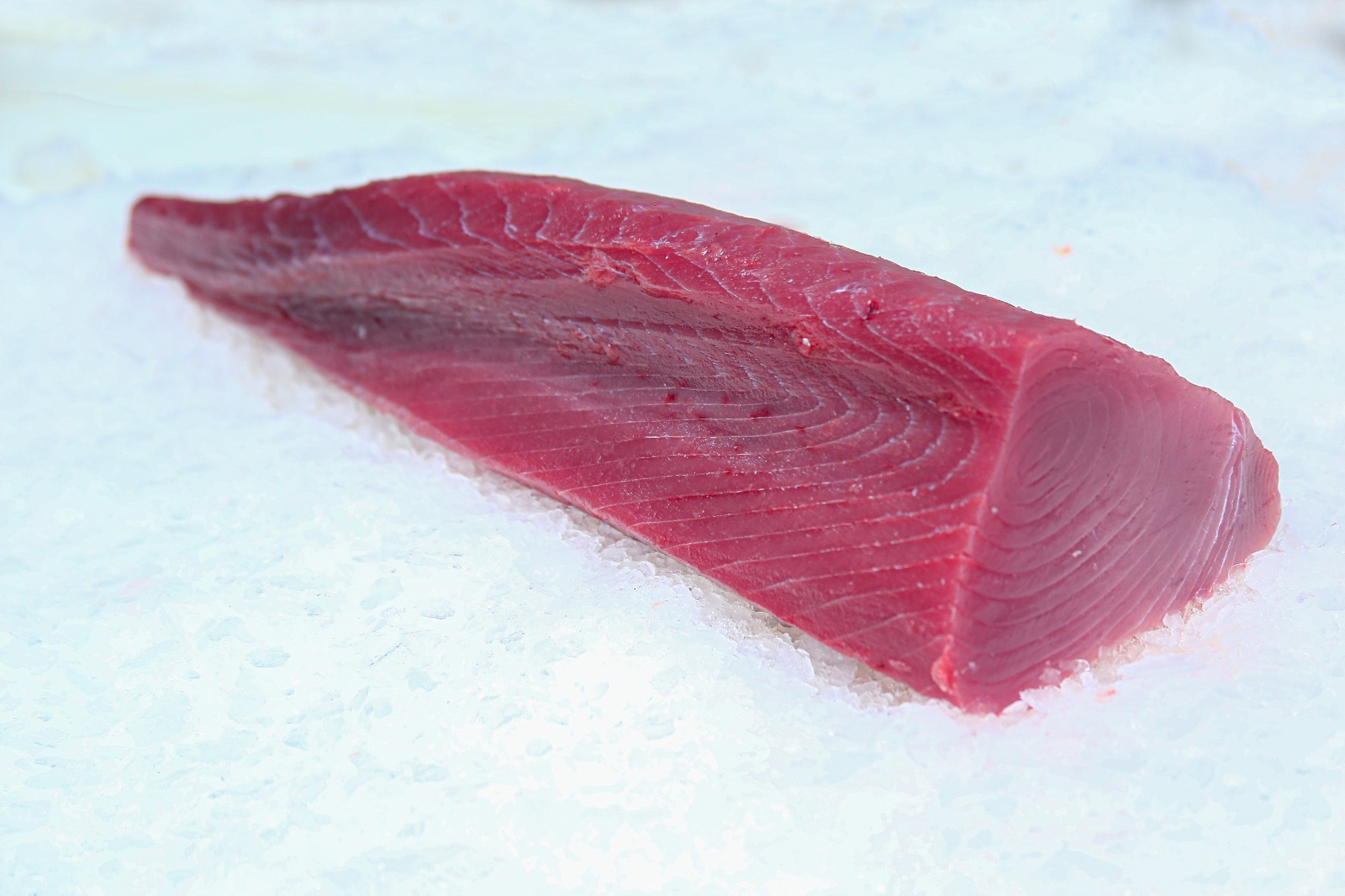
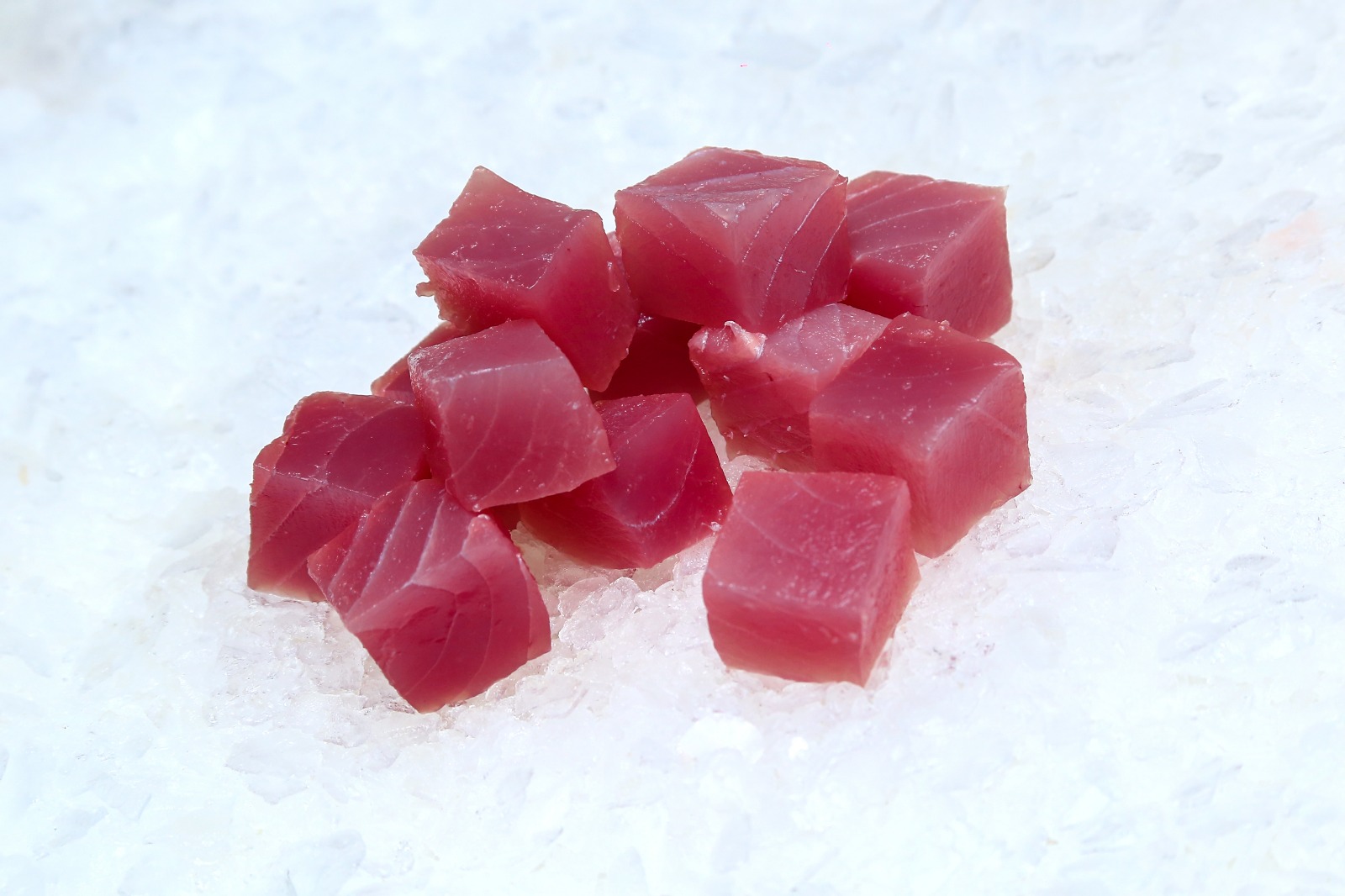
We offer tailored order solutions to meet your specific requirements, providing flexibility and quick adjustments, even with limited lead time. The options for customization typically encompass:  Numerous clients seek customized cuts, such as loins, steaks, or fillets, designed to meet particular portion sizes or presentation preferences. This service is especially beneficial for popular fish species, including tuna, grouper & etc.., enabling purchasers to align with their specific menu offerings or retail requirements. 

Various packaging alternatives, including vacuum-sealed, skin-packed, or bulk options, provide purchasers with the adaptability needed to satisfy storage, branding, and display needs. Retailers may favor single portions, whereas distributors may choose bulk packaging to minimize expenses. Value-added processing methods like marinating, seasoning, and pre-cooking enhance convenience for food service clients and retailers, particularly for ready-to-cook meal options like shrimp, crab, tuna. We offer private-label solutions, including branding, cooking instructions, and product origin information, to retailers, enabling them to establish brand distinction and appeal to consumers who value transparency and traceability. East Bay International can enhance its ability to cater to diverse market needs and strengthen its industry partnerships by offering flexibility in various areas.

Value addition seafood products

Value-added seafood products are gaining popularity due to their convenience and ability to cater to diverse consumer preferences, with several well-known categories within the seafood sector.

Ready-to-cook items

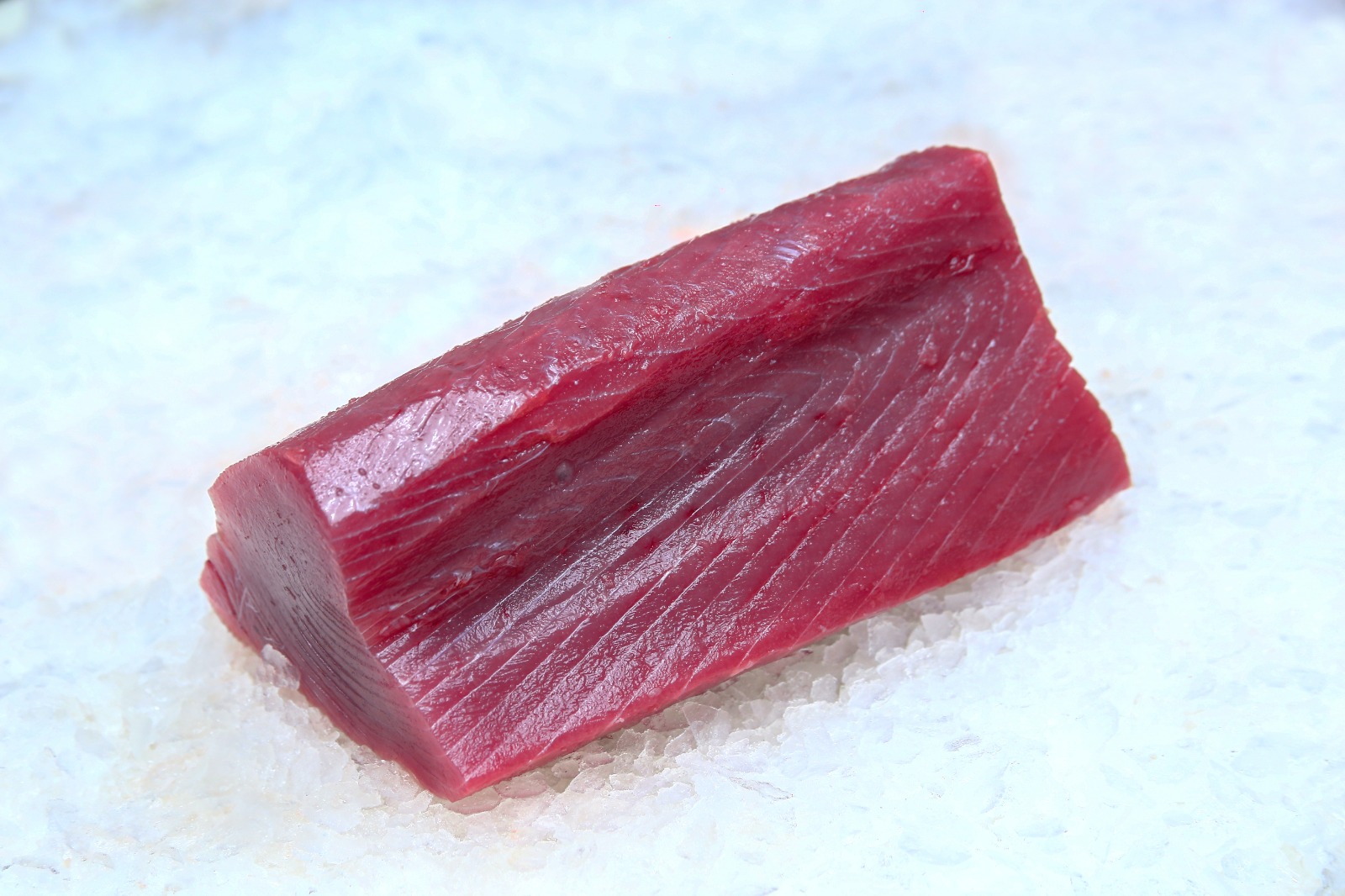
These are fish fillets, shrimp, and various seafood that have been pre- marinated or seasoned, accompanied by sauces, herbs, or spices, which render them perfect for swift preparation at home. Examples include marinated Tuna fillets, spiced shrimp skewers, and seasoned calamari. Pre-Portioned and Individually Wrapped – The popular format of individually packaged tuna fillet, Tuna Stick, Tuna Saku, and tuna steaks is ideal for convenience and portion management, gaining popularity in supermarkets and online seafood delivery services

Tailored packaging solutions

Our packaging is customized to preserve freshness and meet your specific needs, ensuring your seafood arrives in optimal condition every time. Customized packaging solutions are crucial in the seafood export industry for maintaining product quality, meeting client needs, and adhering to international regulations.

Ready-to-cook items

  • Vacuum-sealed packaging is ideal for preserving freshness and extending shelf life of delicate seafood, particularly fish fillets and shrimp, due to their compact size and transparent design.
  • Skin packs are popular packaging methods for premium fish fillets and ready-to-cook items, preserving freshness, enhancing presentation, and providing clear visibility for customers.
  • Styrofoam or insulated boxes are crucial for fresh and frozen seafood exports, ensuring product remains cold during transit, especially for high-value items like live shellfish and lobster.
  • Modified Atmosphere Packaging (MAP) uses gases like nitrogen and carbon dioxide to slow spoilage and extend shelf life, preserving fresh seafood like tuna without freezing.
  • Seafood exporters are utilizing recyclable, biodegradable, or compostable materials for packaging, catering to the growing demand for eco-conscious products.